Overview:
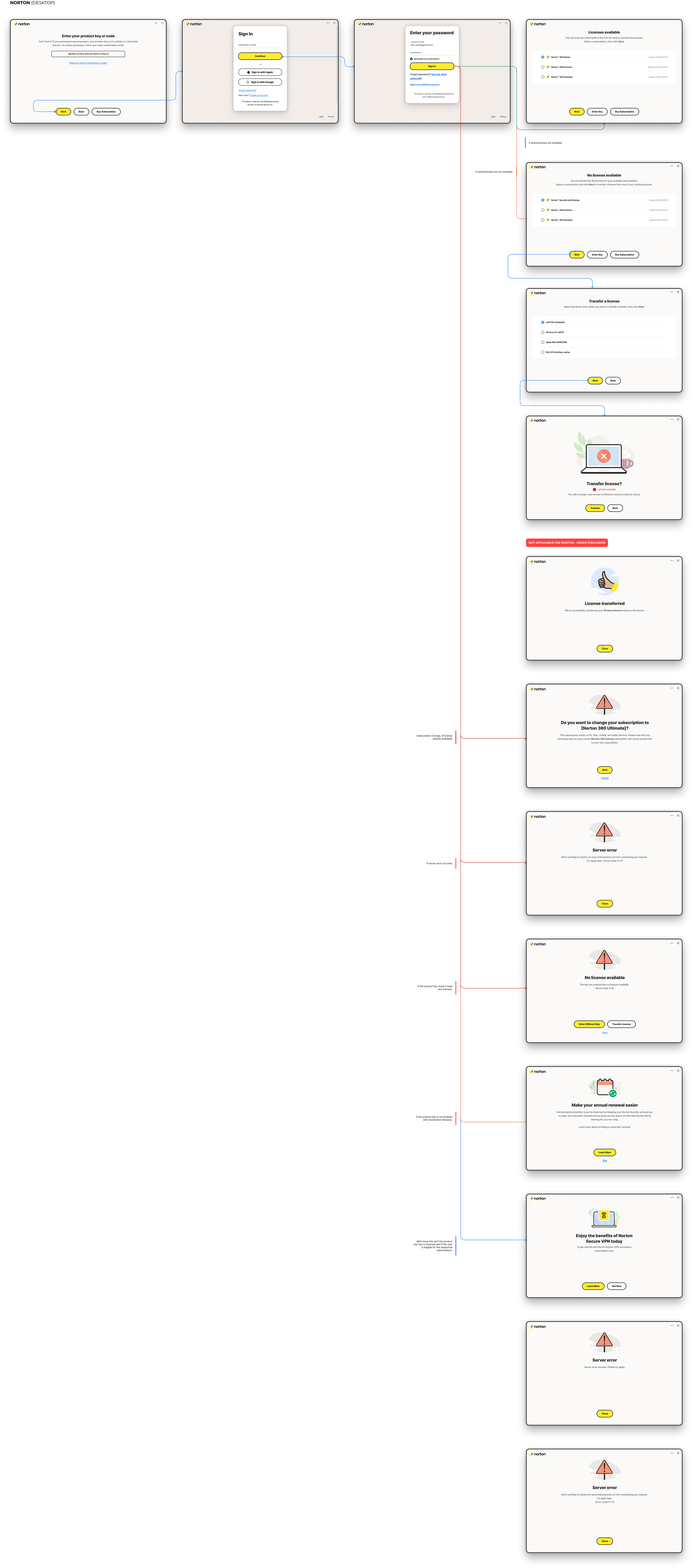
CloudConnect (CCT) is a centralized onboarding orchestration framework designed to unify the user experience across multiple brands—Norton, Avast, AVG, and Avira—and multiple platforms, including Web, Windows, macOS, iOS, and Android. As a Staff Product Designer, I led the design and evolution of this framework to replace fragmented, brand-specific flows with a single, scalable system.
CloudConnect (CCT) is a centralized onboarding orchestration framework designed to unify the user experience across multiple brands—Norton, Avast, AVG, and Avira—and multiple platforms, including Web, Windows, macOS, iOS, and Android. As a Staff Product Designer, I led the design and evolution of this framework to replace fragmented, brand-specific flows with a single, scalable system.
The Challenge:
Before the implementation of CCT, onboarding was a highly duplicated and inconsistent effort across the Gen Digital portfolio.
Before the implementation of CCT, onboarding was a highly duplicated and inconsistent effort across the Gen Digital portfolio.
Fragmentation: Each brand and platform (Windows, macOS, Mobile, Web) maintained its own onboarding logic and design.
Inefficiency: Engineering and design teams were constantly duplicating efforts to solve the same user problems across different environments.
User Confusion: Lack of activation consistency made it difficult for users moving between different products or devices within the ecosystem.
Inefficiency: Engineering and design teams were constantly duplicating efforts to solve the same user problems across different environments.
User Confusion: Lack of activation consistency made it difficult for users moving between different products or devices within the ecosystem.
My Role:
Framework Governance: Defined the foundational UX patterns used by all environments to ensure activation consistency.
Cross-Brand Adaptation: Following the Norton-Avast merger, I extended these Norton-based standards to the Avast brand ecosystem.
Collaboration: Partnered with cross-platform teams to ensure technical feasibility across diverse operating systems (Windows, macOS, Android, iOS).
Framework Governance: Defined the foundational UX patterns used by all environments to ensure activation consistency.
Cross-Brand Adaptation: Following the Norton-Avast merger, I extended these Norton-based standards to the Avast brand ecosystem.
Collaboration: Partnered with cross-platform teams to ensure technical feasibility across diverse operating systems (Windows, macOS, Android, iOS).
Solution: A Centralized Orchestration Framework
The CCT framework was built to act as a "single source of truth" for onboarding.
The CCT framework was built to act as a "single source of truth" for onboarding.
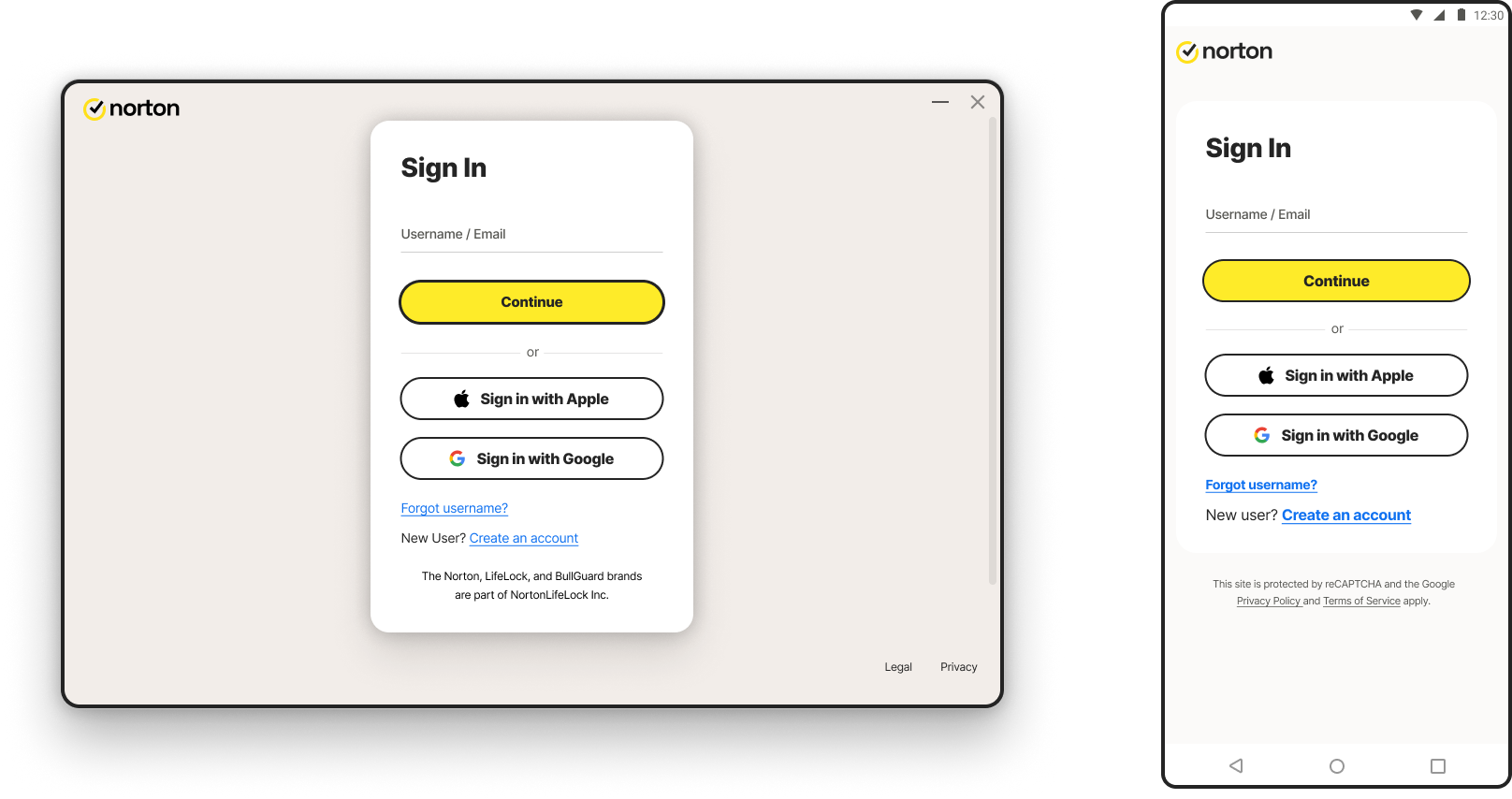
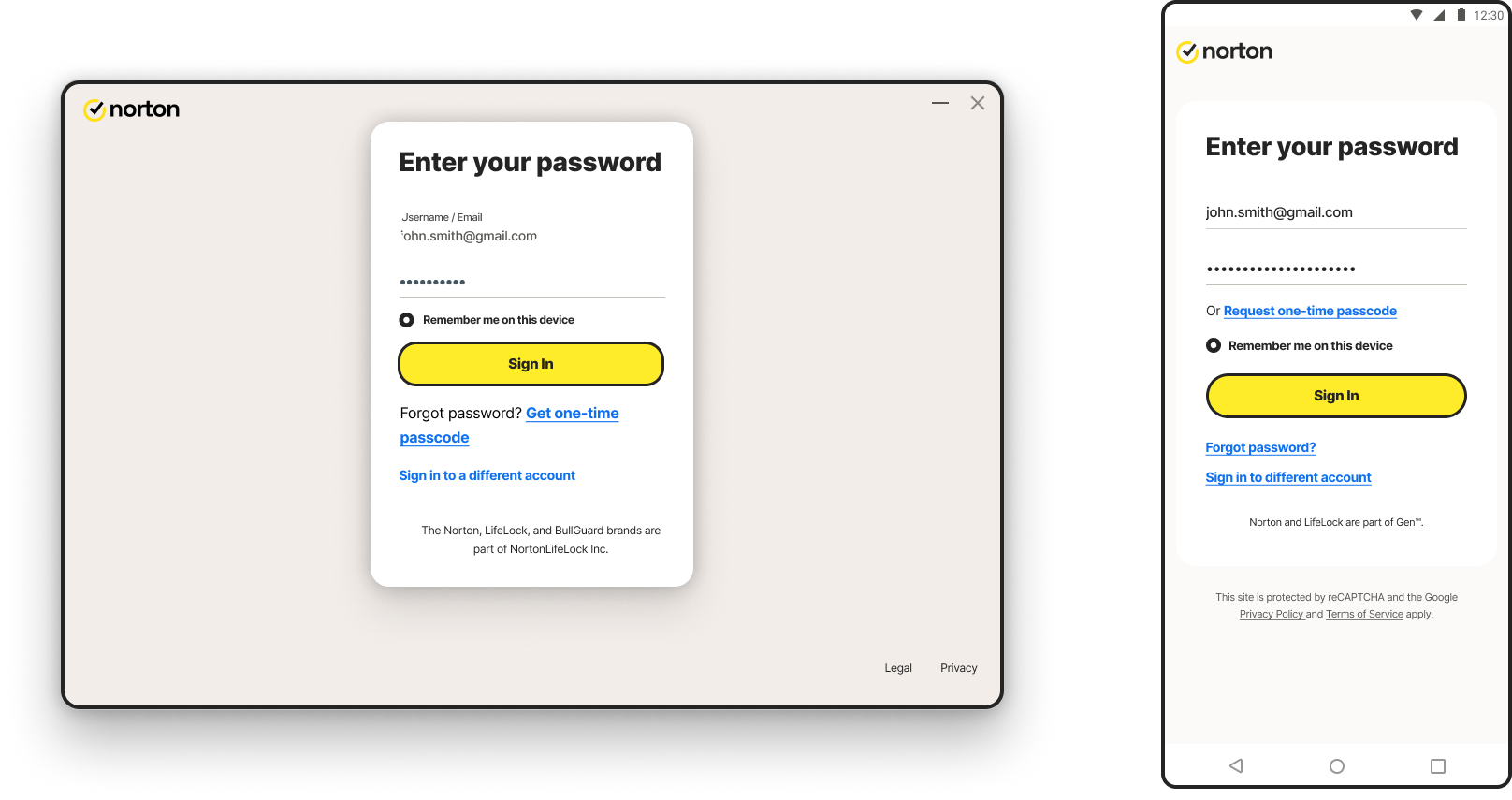
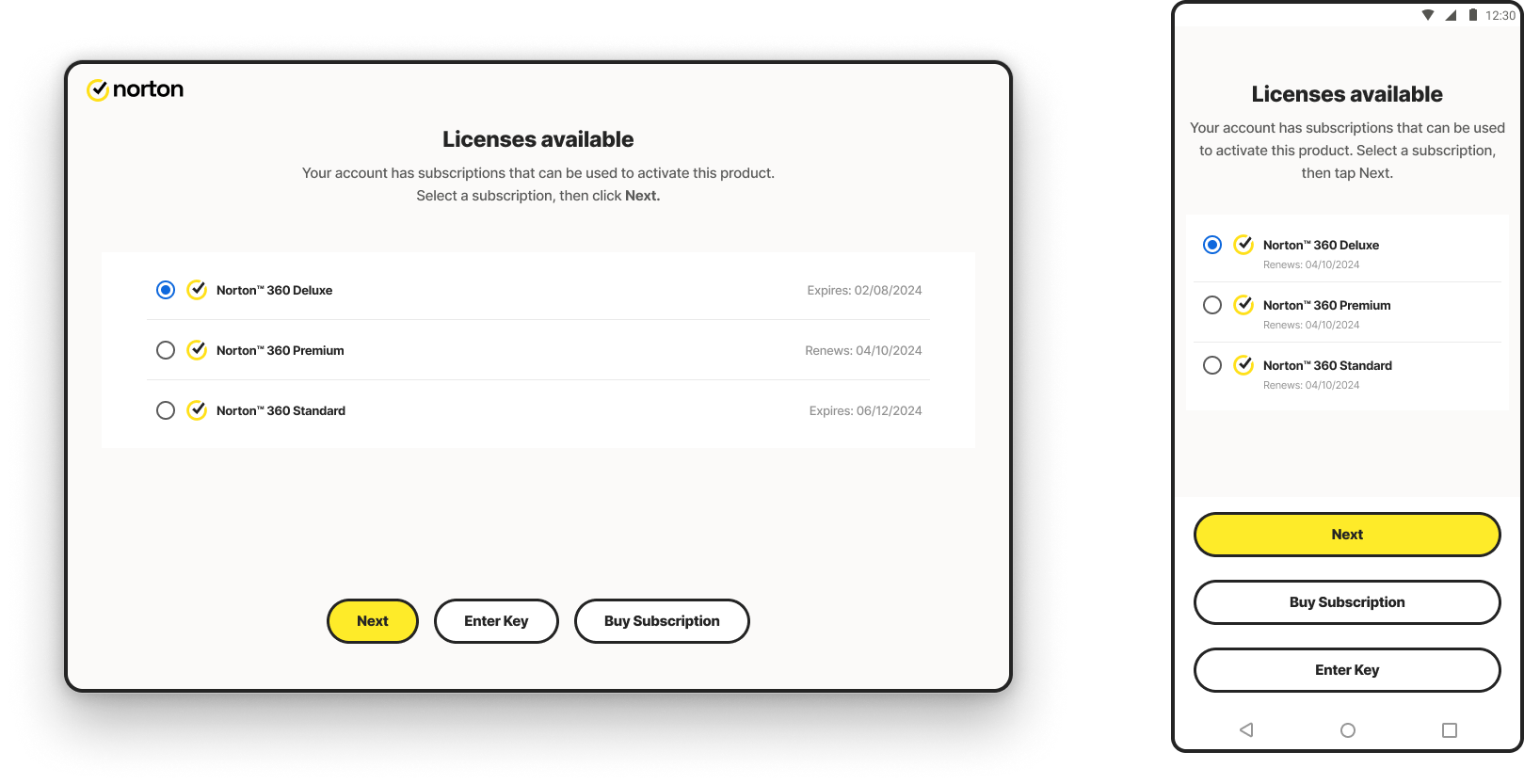
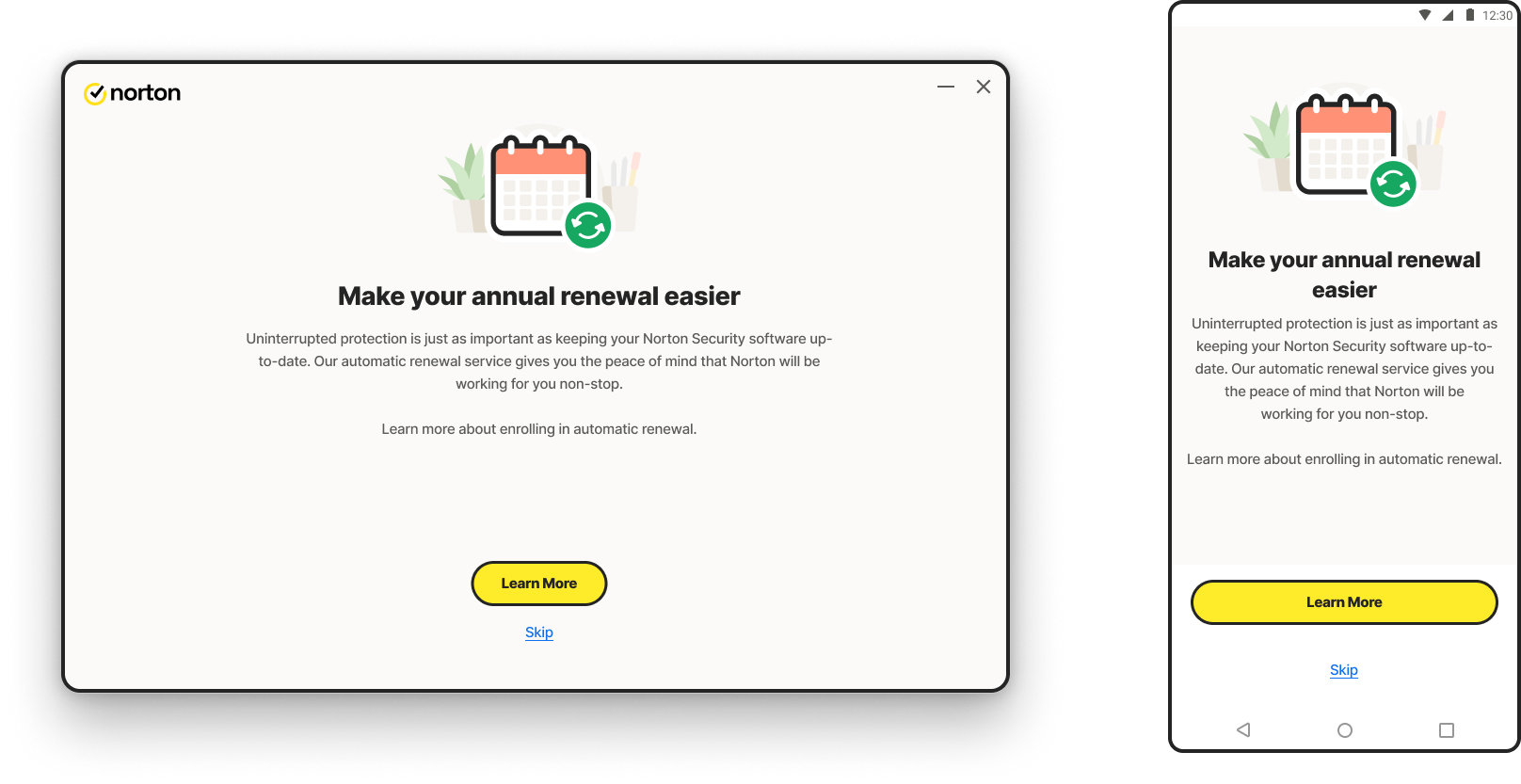
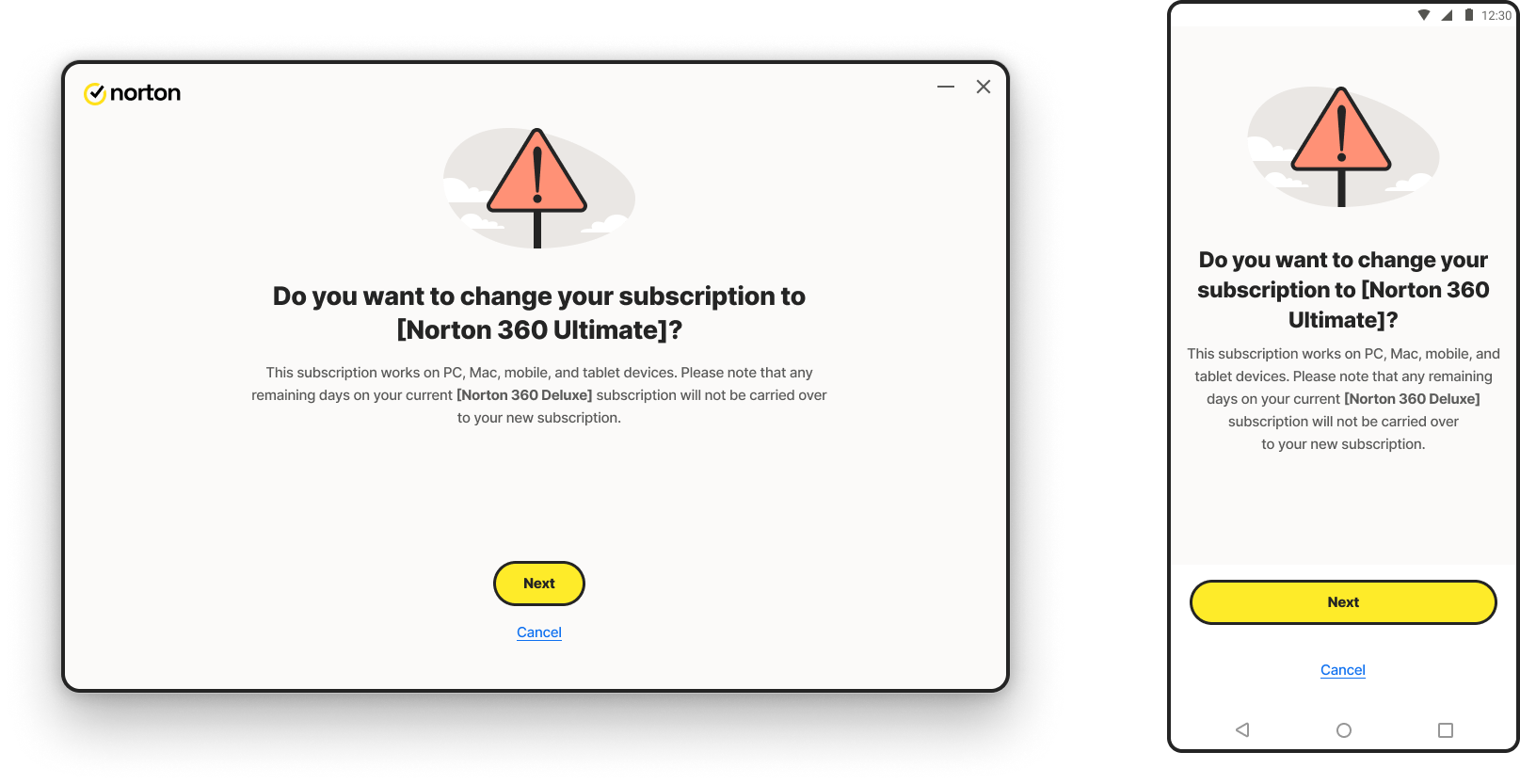
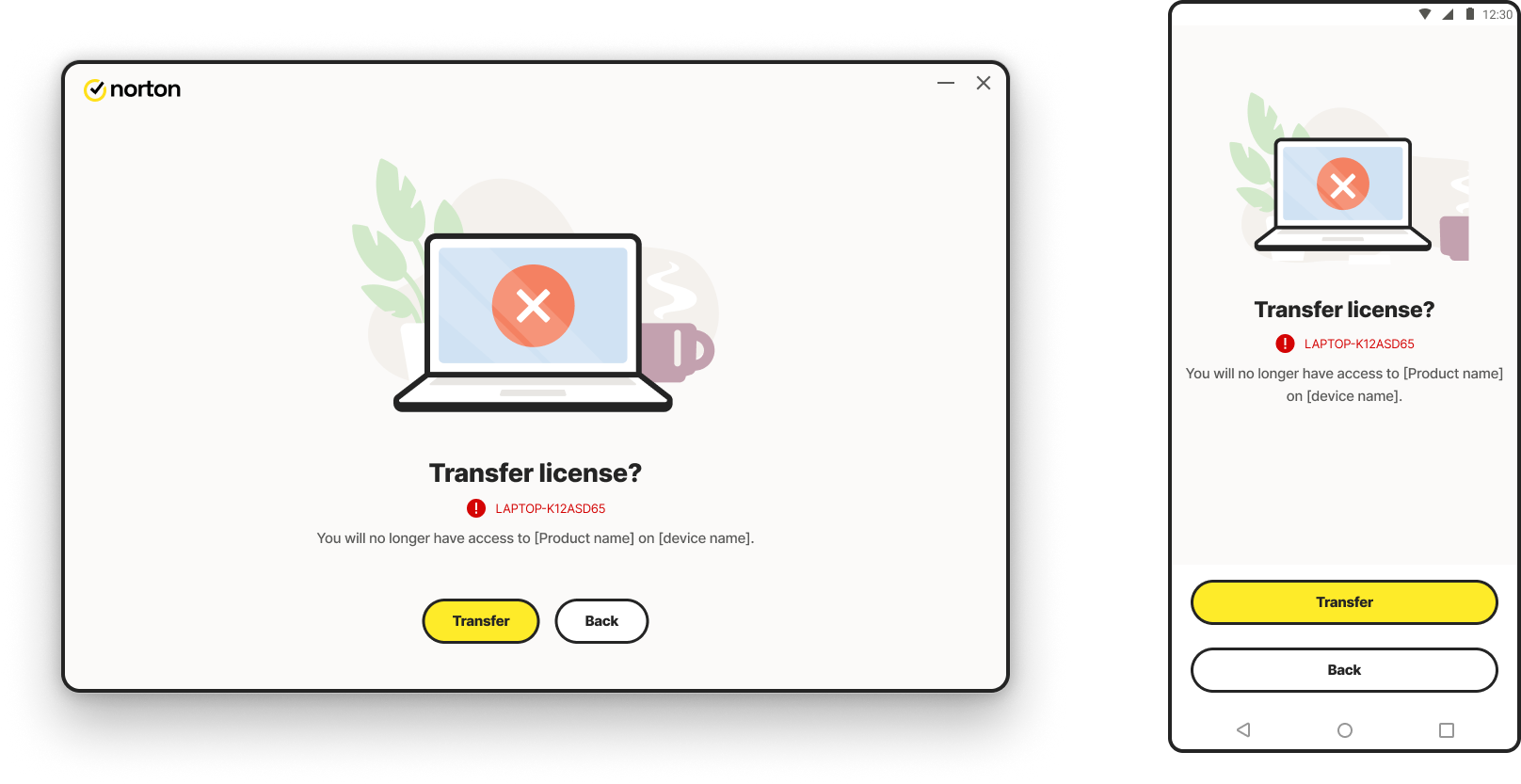
Unified Logic: Created standardized flows for account creation, product setup, and feature activation.
Brand Flexibility: Designed the system to support "house-of-brands" requirements, allowing for Avast-specific visual identities while maintaining Norton’s core UX architecture.
Component-Based Design: Utilized shared components to ensure that a single UX improvement could be deployed across all brands and platforms simultaneously.
Brand Flexibility: Designed the system to support "house-of-brands" requirements, allowing for Avast-specific visual identities while maintaining Norton’s core UX architecture.
Component-Based Design: Utilized shared components to ensure that a single UX improvement could be deployed across all brands and platforms simultaneously.
Business & User Impact:
Activation Consistency: Users experienced a seamless transition regardless of the device or brand they were using.
Operational Efficiency: Significantly reduced duplicated design and engineering efforts by moving to a shared control layer.
Unified User Base: Enabled a more cohesive understanding of the global user base through standardized data and activation milestones.
Scalability: Provided a framework that allows new products or brands to be onboarded into the ecosystem with minimal overhead.
Operational Efficiency: Significantly reduced duplicated design and engineering efforts by moving to a shared control layer.
Unified User Base: Enabled a more cohesive understanding of the global user base through standardized data and activation milestones.
Scalability: Provided a framework that allows new products or brands to be onboarded into the ecosystem with minimal overhead.
Key Takeaways:
This project demonstrated that a centralized orchestration framework is critical for large-scale SaaS platforms. By governing the "North Star" of the onboarding experience, we were able to maintain high UX quality while supporting the complex needs of a multi-brand global organization.