Project Overview
Following the Avast–Norton merger, I worked as part of the Norton design organization to extend and apply Norton’s on-boarding ecosystem to Avast products. The project focused on redesigning and aligning Avast’s on-boarding experiences across Windows, macOS, Android, and iOS with Norton’s established UX and design system standards—while deliberately preserving Avast’s visual identity and existing user familiarity.
The objective was to bring Avast on-boarding into the Norton ecosystem in a scalable, system-driven way, without creating a disruptive or unfamiliar experience for Avast users.
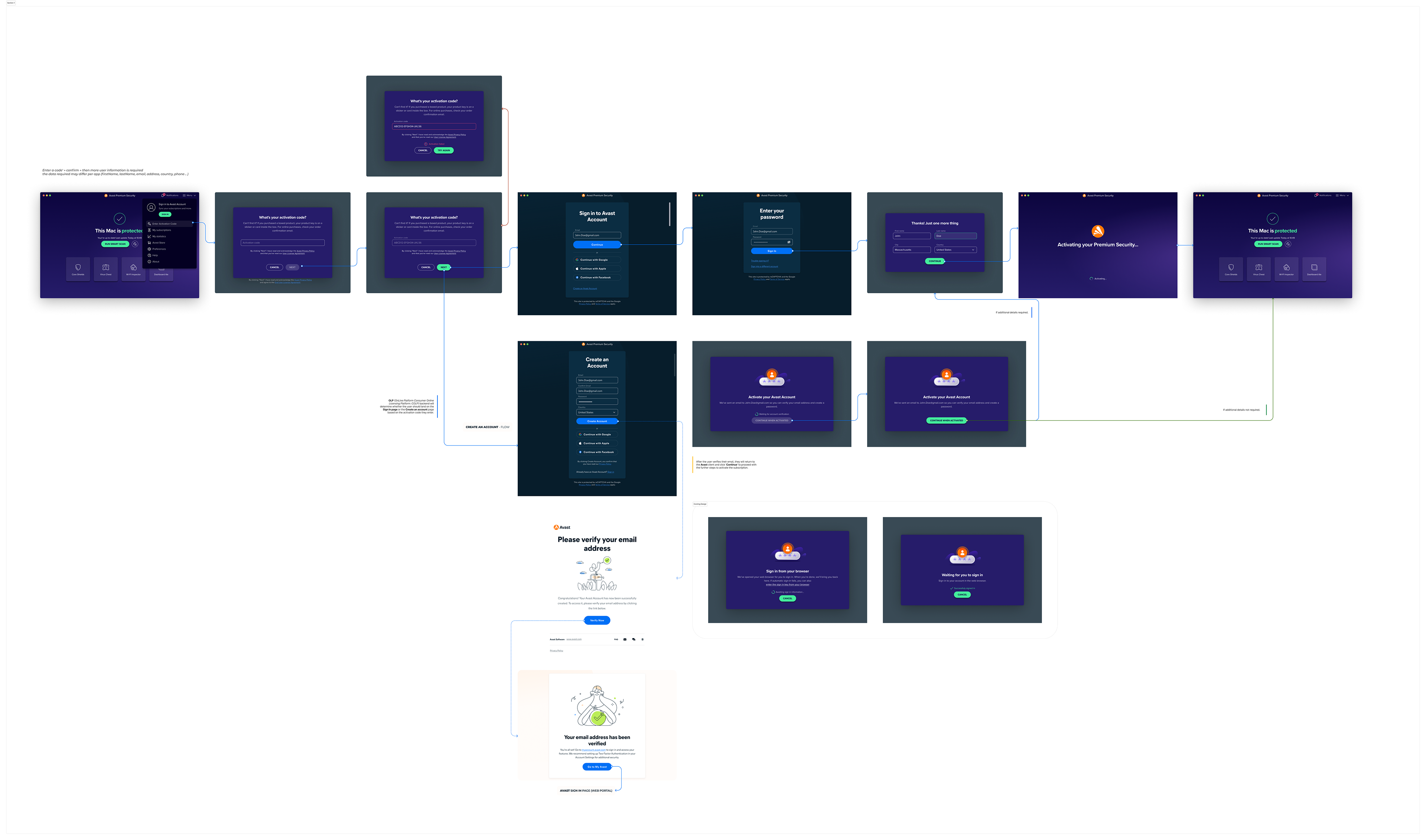
Context & Background
- Company: Norton (post-merger integration work for Avast)
- Role Context: Norton designer extending Norton ecosystem standards to Avast products
- Scope: Cross-platform on-boarding (Desktop & Mobile)
- Products: Multiple Avast product tiers with fragmented on-boarding flows
- Timeline: High-priority integration with fixed delivery deadlines
- Role Context: Norton designer extending Norton ecosystem standards to Avast products
- Scope: Cross-platform on-boarding (Desktop & Mobile)
- Products: Multiple Avast product tiers with fragmented on-boarding flows
- Timeline: High-priority integration with fixed delivery deadlines
Before the acquisition, Avast on-boarding experiences differed significantly by:
- Product tier (free vs. premium)
- Product specific
- Operating system (Windows, macOS, Android, iOS)
- Design language, component usage, and interaction patterns
- Product specific
- Operating system (Windows, macOS, Android, iOS)
- Design language, component usage, and interaction patterns
As part of the Norton organization, the goal was to reduce this fragmentation by applying Norton’s design principles, systems, and UX patterns to Avast—without eroding Avast’s brand equity.
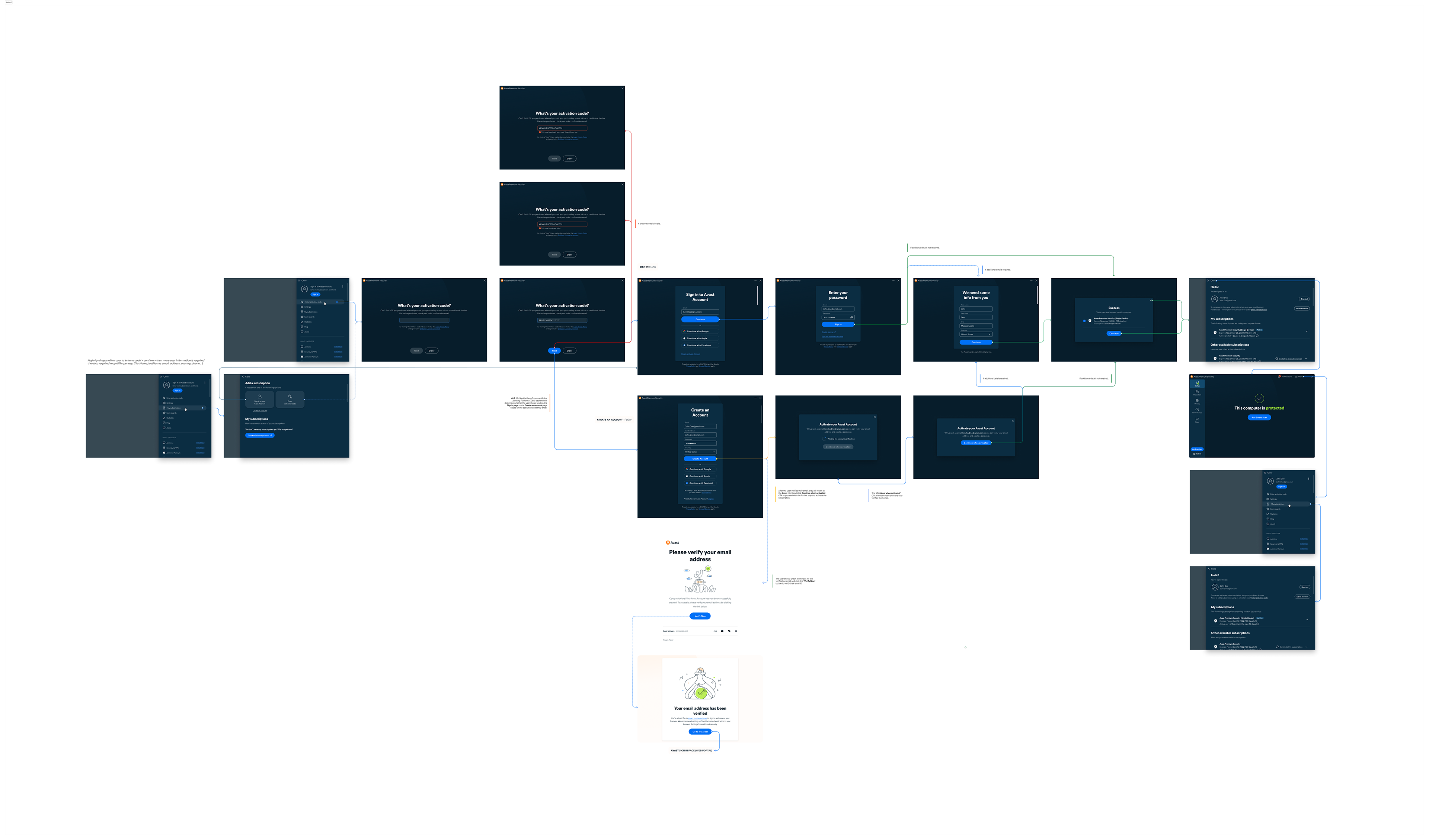
Problem Statement:
How might we align Avast’s on-boarding experiences with Norton’s ecosystem standards while:
- Retaining Avast’s visual identity and usability strengths
- Respecting platform-specific UX conventions
- Supporting multiple product tiers
- Delivering all platforms concurrently under tight timelines
- Retaining Avast’s visual identity and usability strengths
- Respecting platform-specific UX conventions
- Supporting multiple product tiers
- Delivering all platforms concurrently under tight timelines
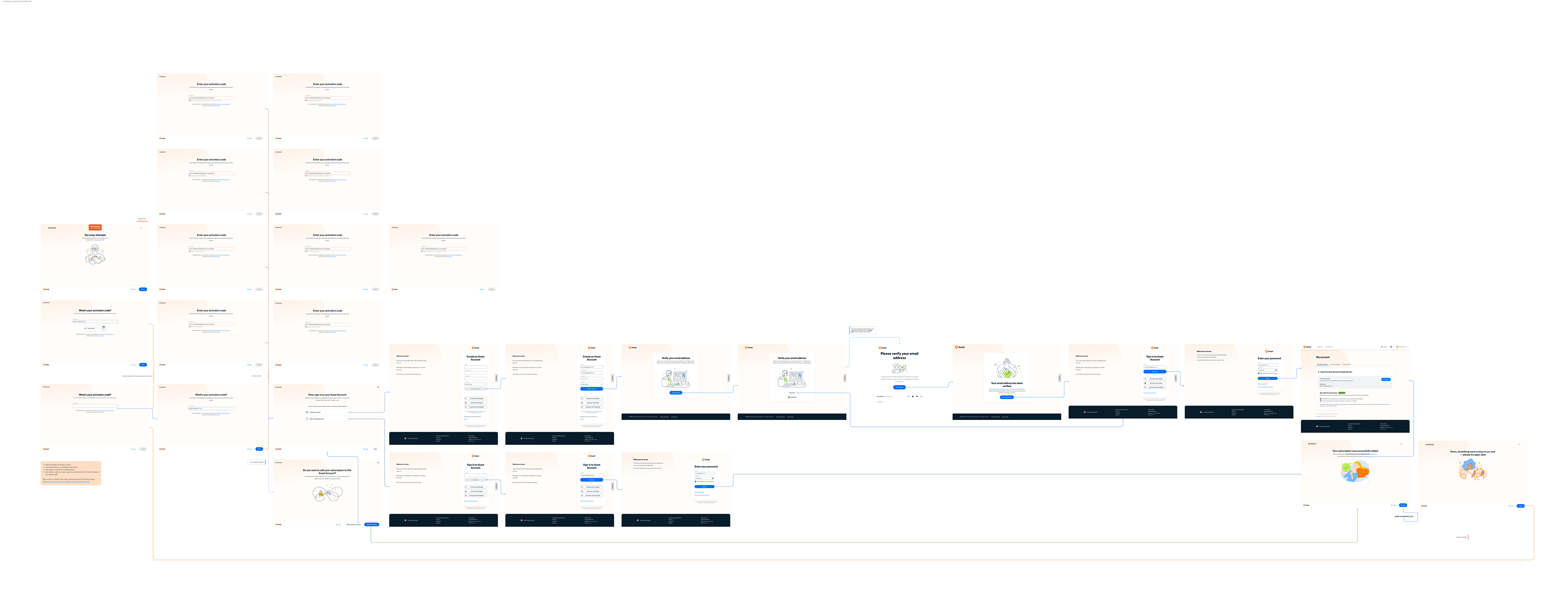
Design Challenges
- No single, shared on-boarding pattern across Avast products
- Limited prior exposure to Avast’s design system
- Platform-specific technical and UX constraints
- Need for rapid upskilling in Avast's component library, color variables, typography, and DS.
- Requirement to ship all platforms simultaneously
- Limited prior exposure to Avast’s design system
- Platform-specific technical and UX constraints
- Need for rapid upskilling in Avast's component library, color variables, typography, and DS.
- Requirement to ship all platforms simultaneously
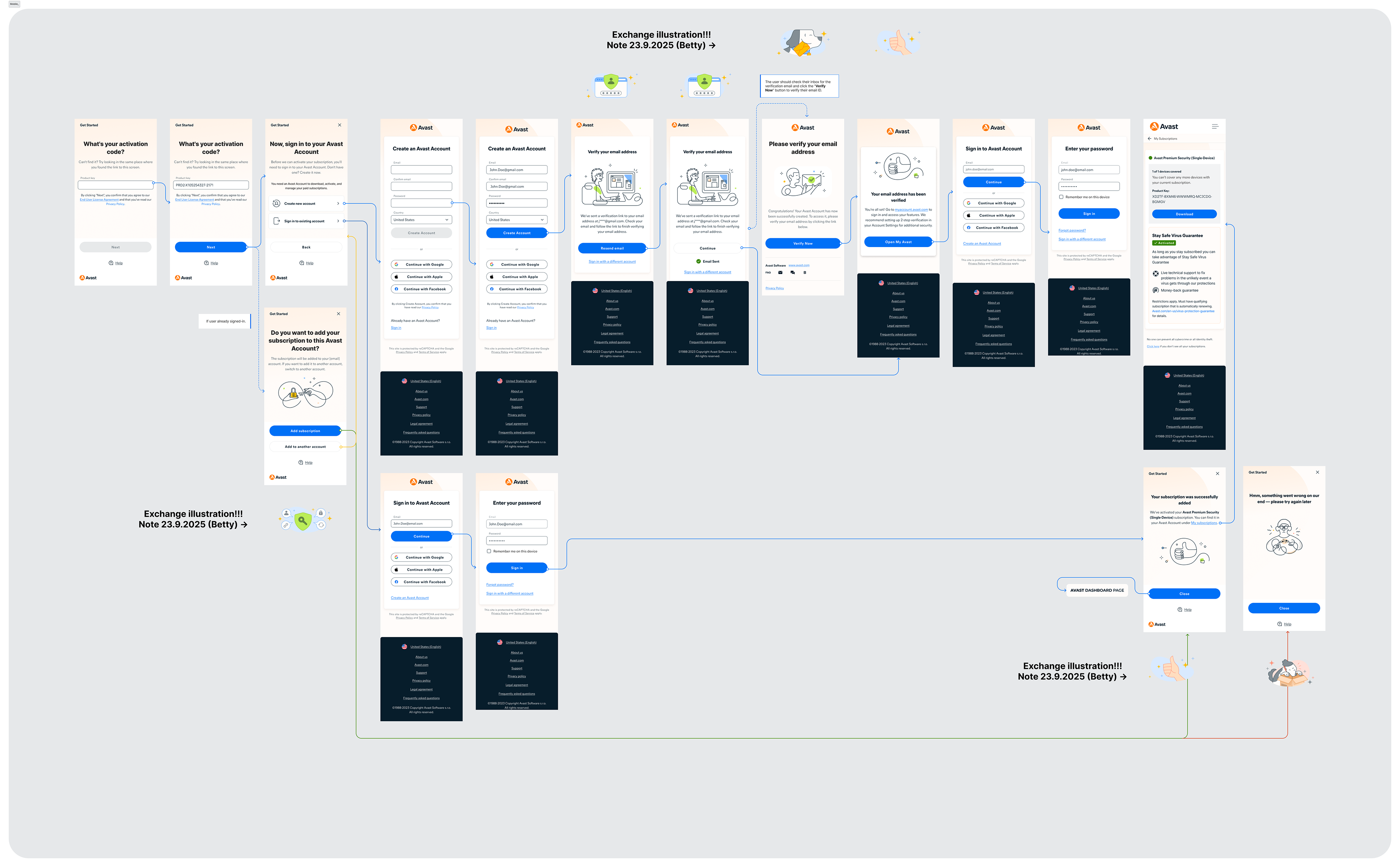
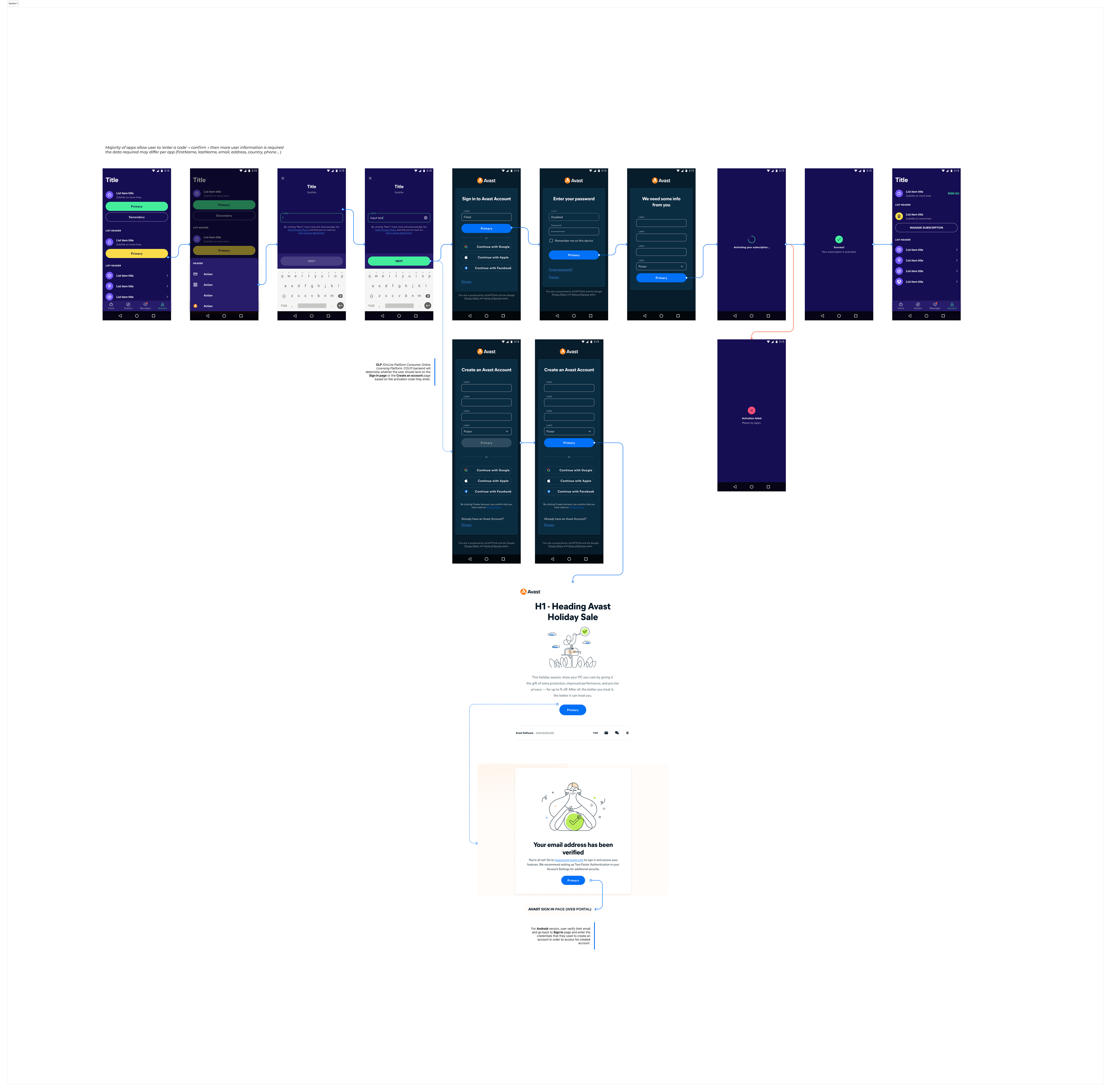
Process & Approach
1. Audit & Analysis
- Conducted a comprehensive audit of existing Avast onboarding flows across OS & product tiers
- Identified inconsistencies, redundancies, and high-performing UX patterns
- Benchmarked against Norton’s onboarding principles and ecosystem standards
1. Audit & Analysis
- Conducted a comprehensive audit of existing Avast onboarding flows across OS & product tiers
- Identified inconsistencies, redundancies, and high-performing UX patterns
- Benchmarked against Norton’s onboarding principles and ecosystem standards
2. Design System Assimilation
- Rapidly learned Norton’s design ecosystem, including:
- Component architecture
- Color tokens and variables
- Typography and spacing rules
- Illustration and iconography styles
- Mapped Avast visual elements to Norton’s system without introducing regressions
- Rapidly learned Norton’s design ecosystem, including:
- Component architecture
- Color tokens and variables
- Typography and spacing rules
- Illustration and iconography styles
- Mapped Avast visual elements to Norton’s system without introducing regressions
3. Experience Alignment
Standardized onboarding structure while preserving Avast-specific visual cues
Standardized onboarding structure while preserving Avast-specific visual cues
- Harmonized:
- Screen hierarchy
- Messaging tone and sequencing
- CTA placement and interaction patterns
- Ensured accessibility and platform-native behavior across devices
- Screen hierarchy
- Messaging tone and sequencing
- CTA placement and interaction patterns
- Ensured accessibility and platform-native behavior across devices
4. Cross-Platform Execution
- Designed unified yet adaptable flows for: Windows, macOS, Android, iOS, Web portal.
- Accounted for OS-specific guidelines and technical constraints
- Designed unified yet adaptable flows for: Windows, macOS, Android, iOS, Web portal.
- Accounted for OS-specific guidelines and technical constraints
5. Collaboration & Delivery
- Worked closely with engineering to ensure feasibility and design parity
- Partnered with product stakeholders to align business and user goals
- Delivered all onboarding experiences concurrently within the committed timeline
- Worked closely with engineering to ensure feasibility and design parity
- Partnered with product stakeholders to align business and user goals
- Delivered all onboarding experiences concurrently within the committed timeline
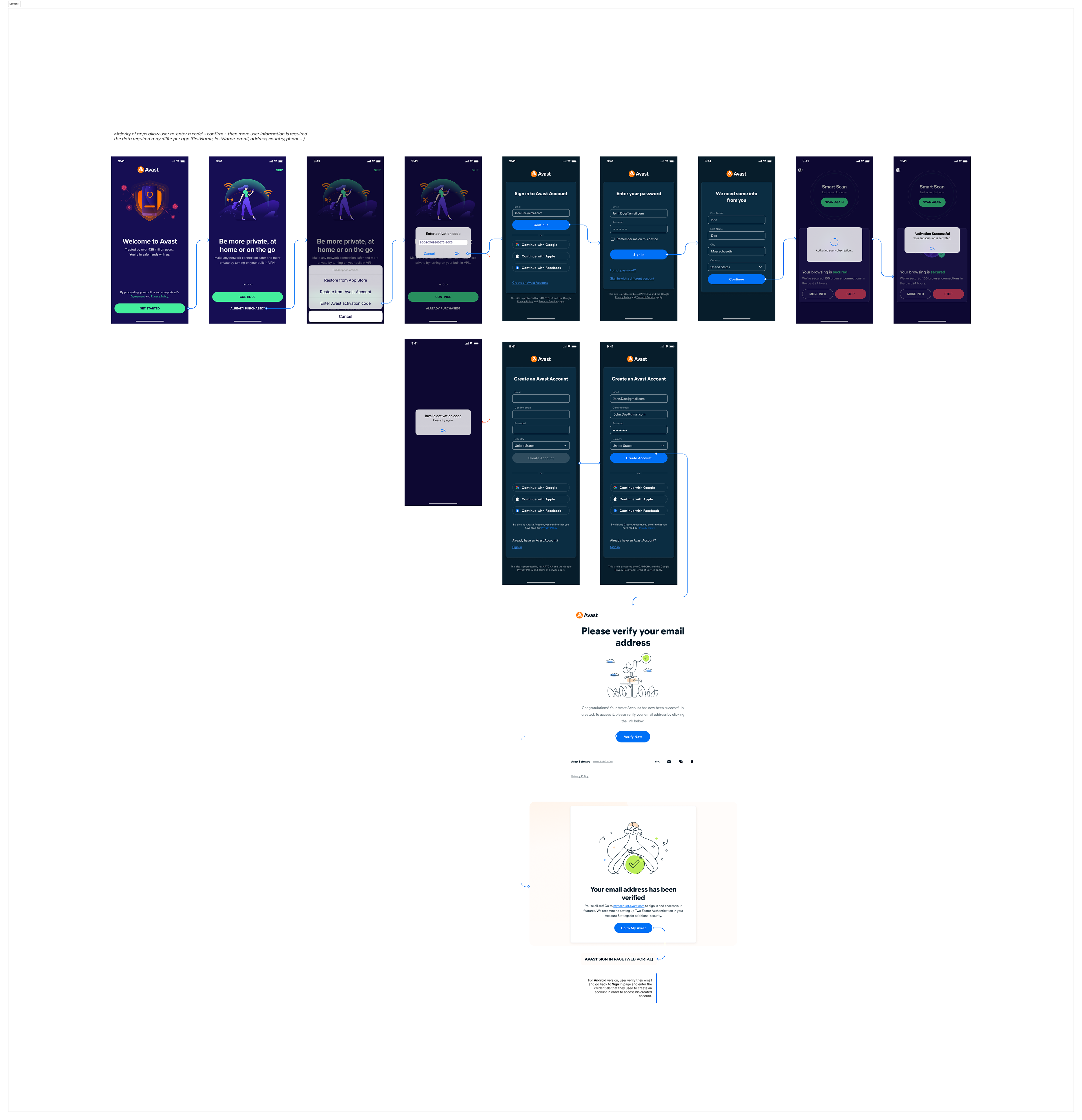
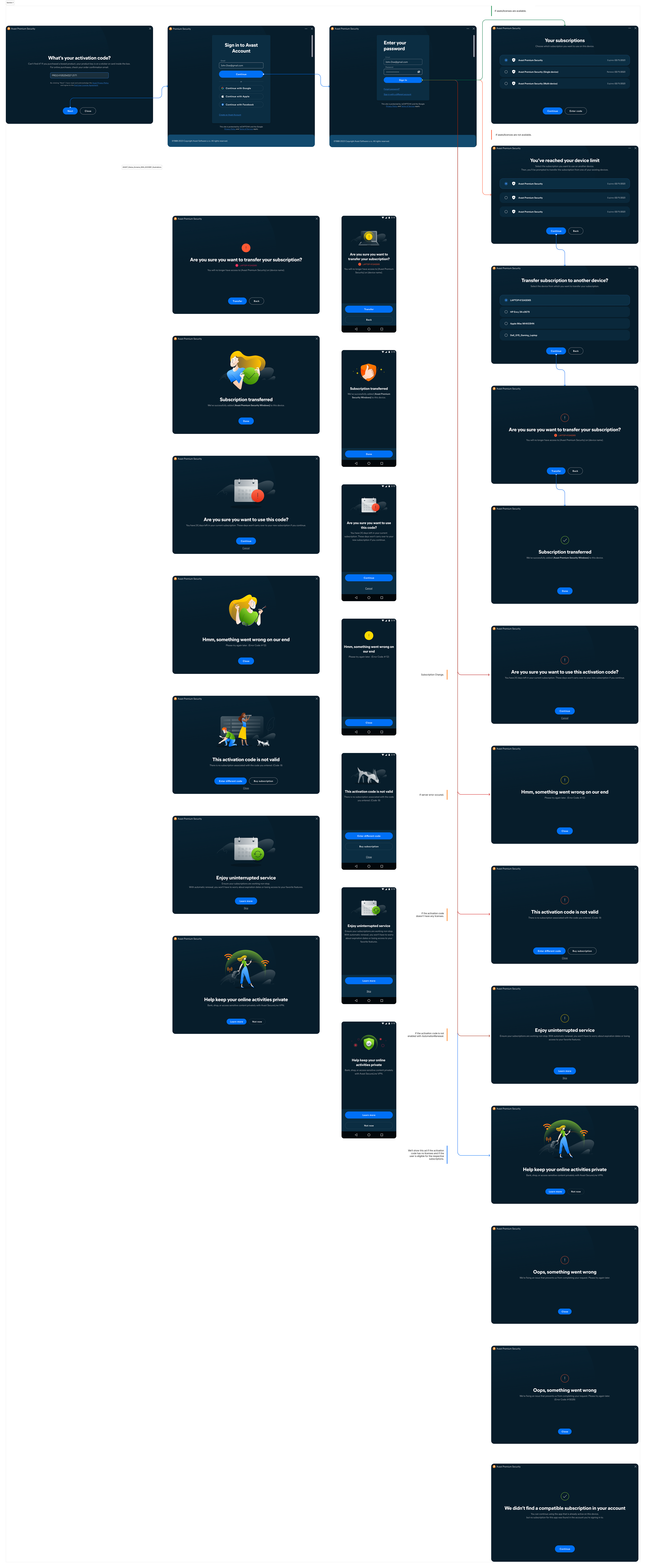
Solution
A Norton-aligned onboarding framework implemented across Avast products that:
- Feels native to the Norton ecosystem
- Preserves Avast’s visual identity and established UX strengths
- Scales across platforms and product tiers
- Enables shared components, patterns, and future system-driven updates
- Preserves Avast’s visual identity and established UX strengths
- Scales across platforms and product tiers
- Enables shared components, patterns, and future system-driven updates
The final solution intentionally balanced Norton consistency with Avast familiarity—ensuring that existing Avast users were not alienated while moving the product experience toward a unified ecosystem.
Impact & Outcomes
- Successfully aligned Avast onboarding with Norton ecosystem standards
- Improved cross-platform consistency and brand coherence
- Reduced design and engineering overhead for future updates
- Enabled faster iteration using shared components and patterns
- Delivered on time across all platforms despite tight constraints.
- Improved cross-platform consistency and brand coherence
- Reduced design and engineering overhead for future updates
- Enabled faster iteration using shared components and patterns
- Delivered on time across all platforms despite tight constraints.
Key Learnings
- Strong design systems enable rapid alignment post-merger
- Consistency does not require sacrificing brand identity
- Early audits are critical when unifying fragmented experiences
- Cross-functional collaboration is essential under compressed timelines
- Consistency does not require sacrificing brand identity
- Early audits are critical when unifying fragmented experiences
- Cross-functional collaboration is essential under compressed timelines
Tools & Skills
- Cross-platform UX design
- Design systems and component libraries
- Rapid design system onboarding
- Stakeholder communication
- Platform-native UX principles
- Design systems and component libraries
- Rapid design system onboarding
- Stakeholder communication
- Platform-native UX principles